
Market leaders don't just own share.
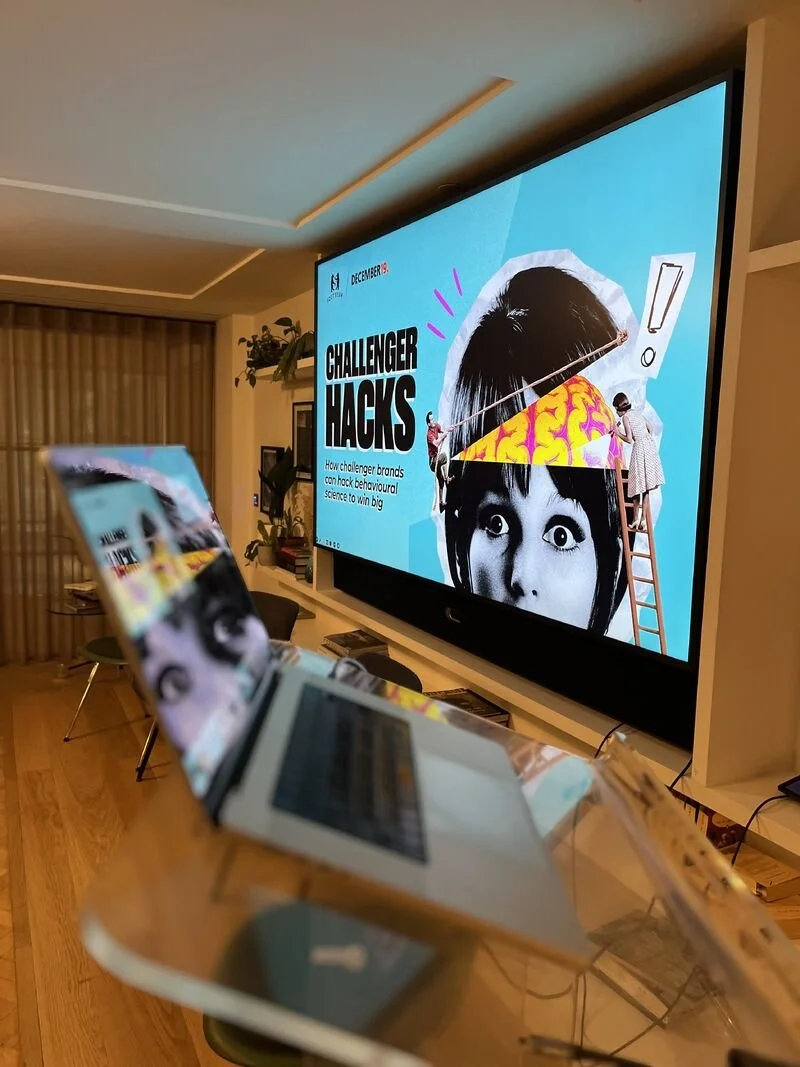
They own behaviour - the habits, defaults and category conventions that keep people choosing them without really thinking about it. At Challenger Hacks, a joint event with Southpaw, we asked what it actually takes to interrupt that.
The problem isn't preference. It's the default.
Most challenger briefs arrive asking a version of the same question: how do we get people to like us more?
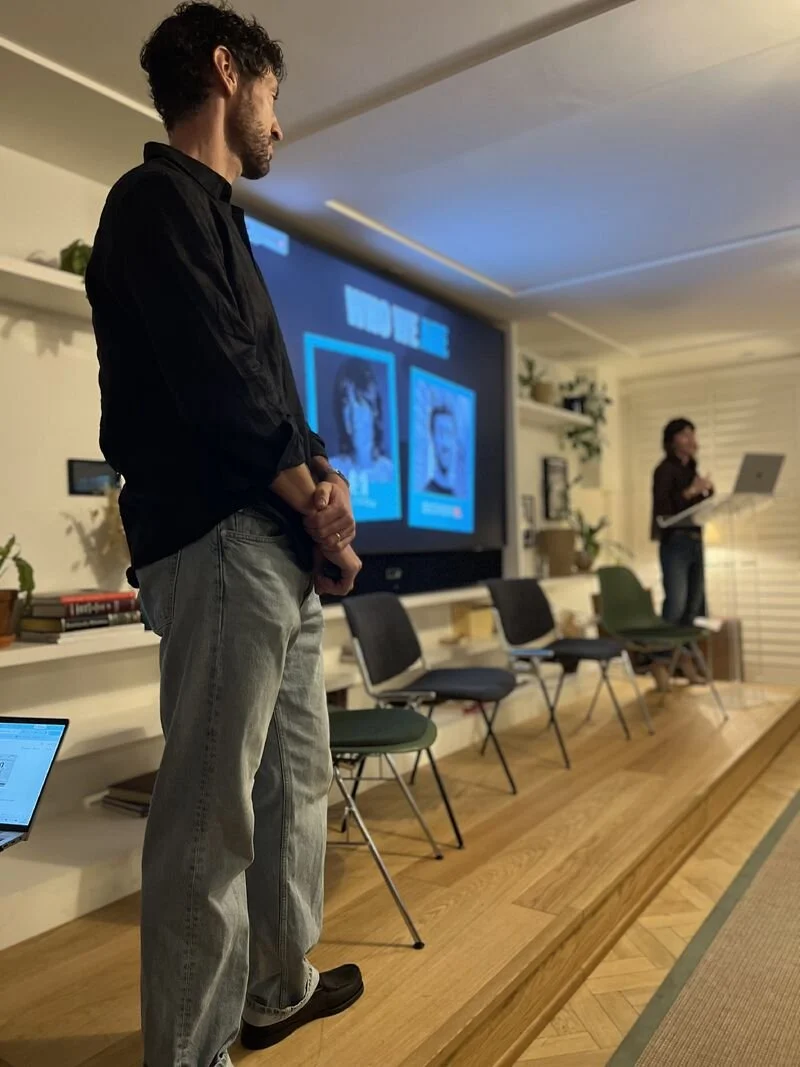
Christian Taylor, Managing Partner for Strategy at December19, opened the session by arguing that it's the wrong one. The brands challengers are up against don't win on preference, they win on familiarity, habit and the category conventions they've spent decades establishing. Research into everyday behaviour has long suggested that a substantial share of what people do each day is repeated, in the same context, with very little conscious thought. For a market leader, that's an enormous unpaid advantage: the decision gets made before any media is seen.
Which reframes the brief. Not "how do we become better liked", but "what keeps our buyers defaulting to someone else, and how do we interrupt it?"
It also reframes the budget conversation. If the barrier is a habit rather than a preference, outspending the leader isn't the only route, and for brands working in the £1–£30m range, it was never a realistic one anyway.
Hack One: Find the enemy, then become the upgrade
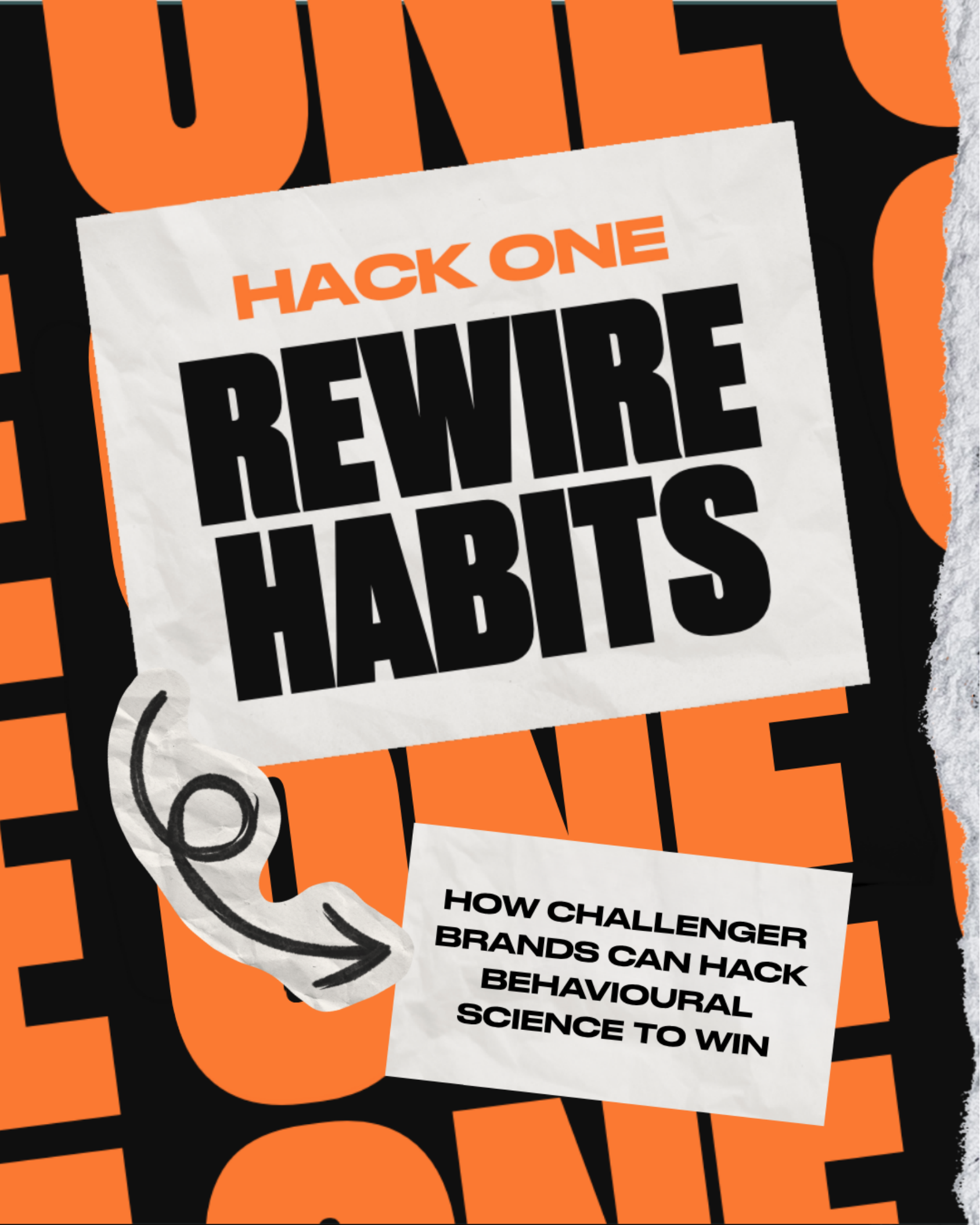
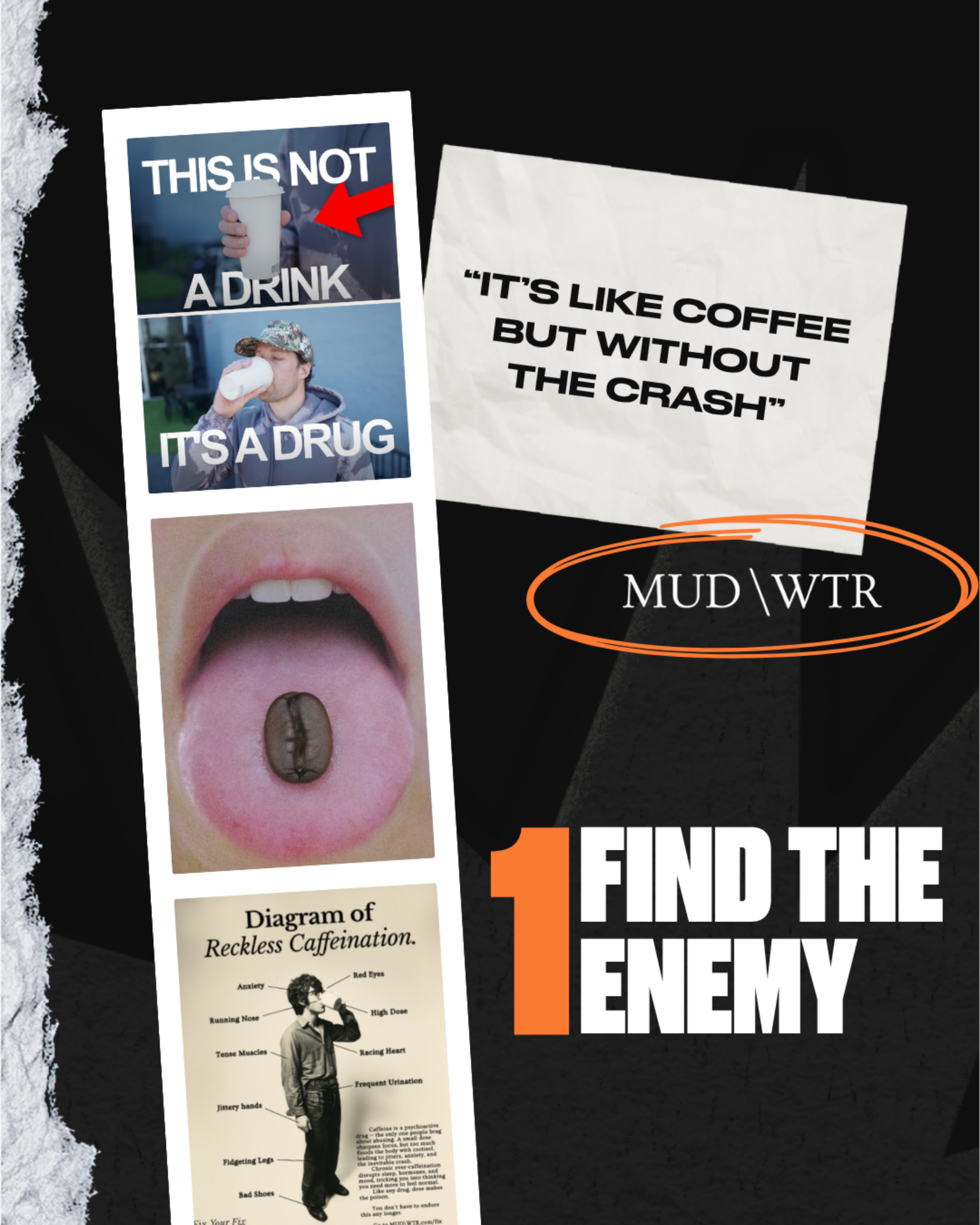
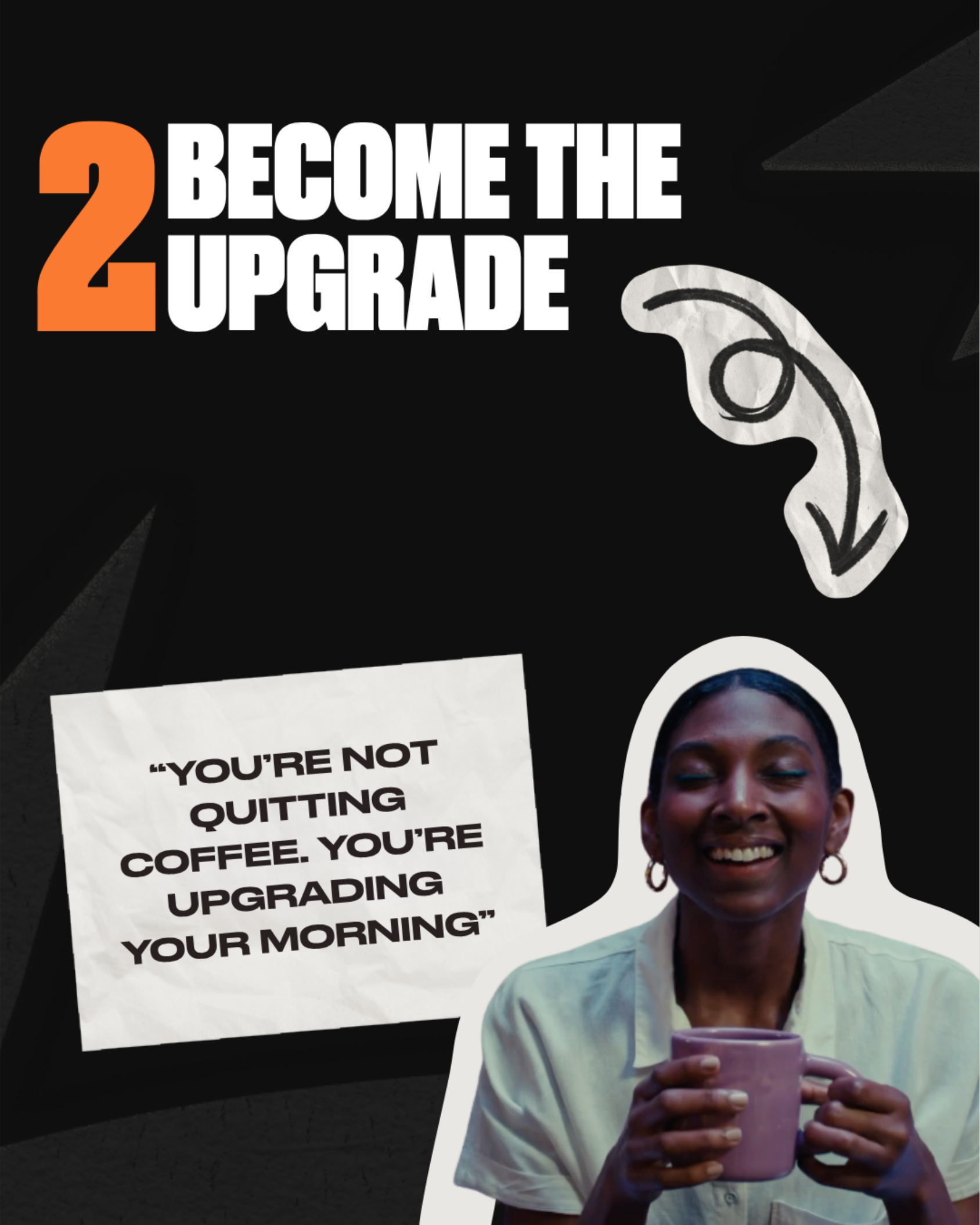
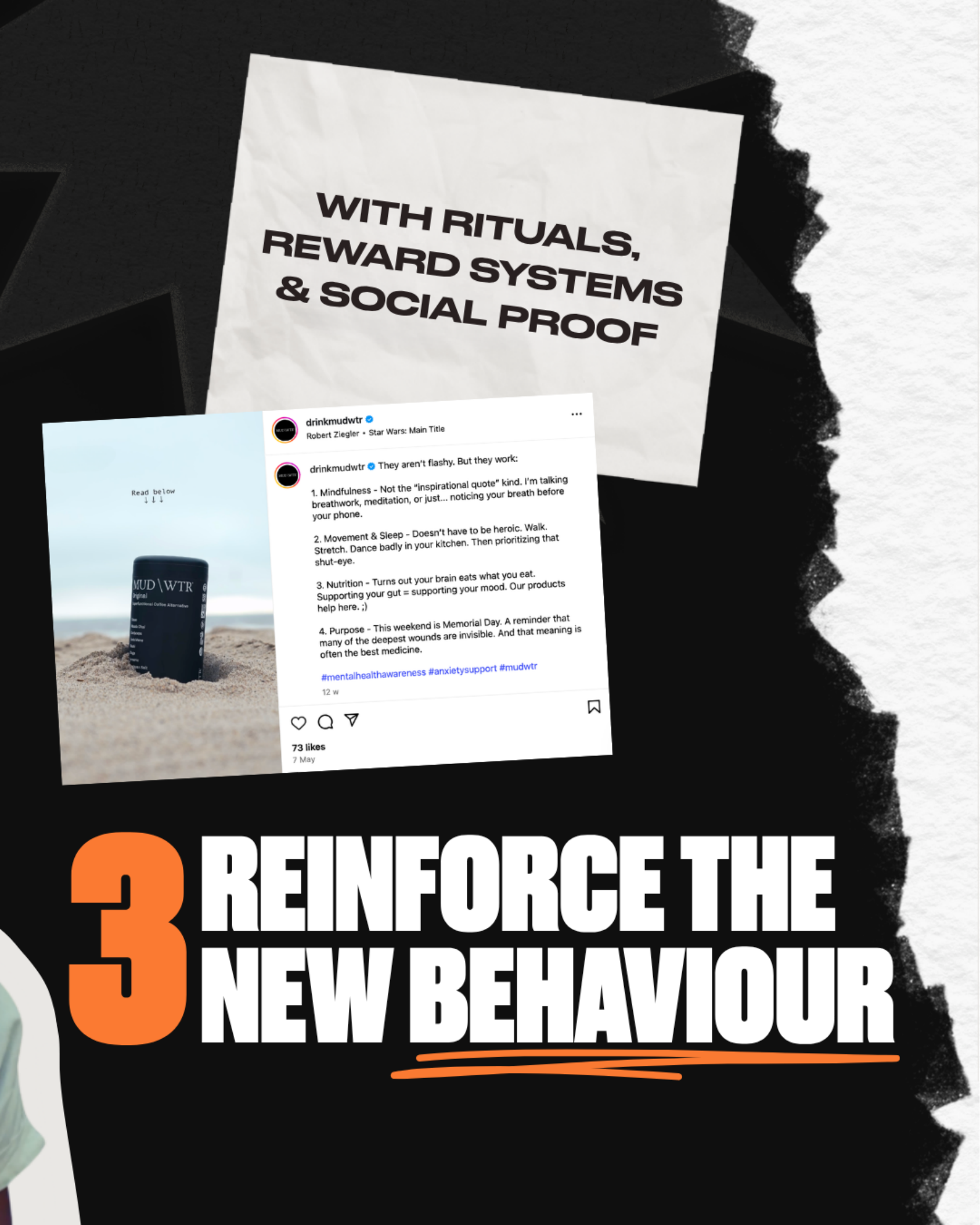
The first hack of the day, Rewire Habits, came in three moves: find an enemy, become the obvious upgrade, then reinforce the new behaviour until it sticks.
Niki Jones, Head of Strategy at Southpaw, used MUD\WTR to illustrate it. The brand doesn't position itself against other drinks; it positions itself against coffee's crash - "it's like coffee, but without the crash". The enemy isn't a competitor, it's a behaviour.
The second move is the one brands most often skip. Asking someone to give something up is a hard sell; asking them to upgrade is not. MUD\WTR's framing, "you're not quitting coffee, you're upgrading your morning," does the same job with none of the sacrifice.
Lucky Saint makes the same manoeuvre in a different category, picking a fight with compromise rather than with alcohol, and then reinforcing the switch with the most powerful tool available: the ritual stays intact. Same pub, same mates, same glass. New behaviour.
Hack Two: Make the invisible cost impossible to ignore
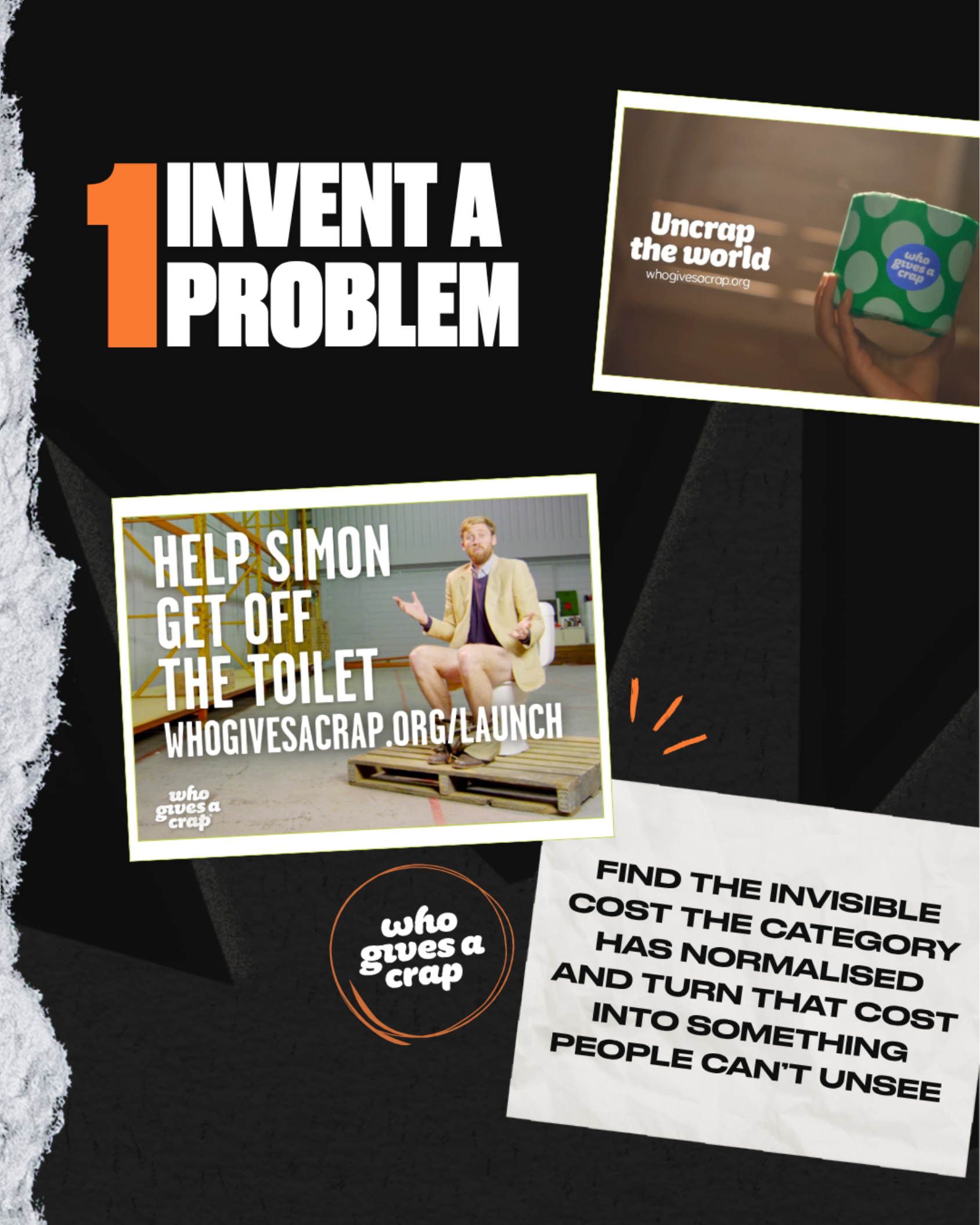
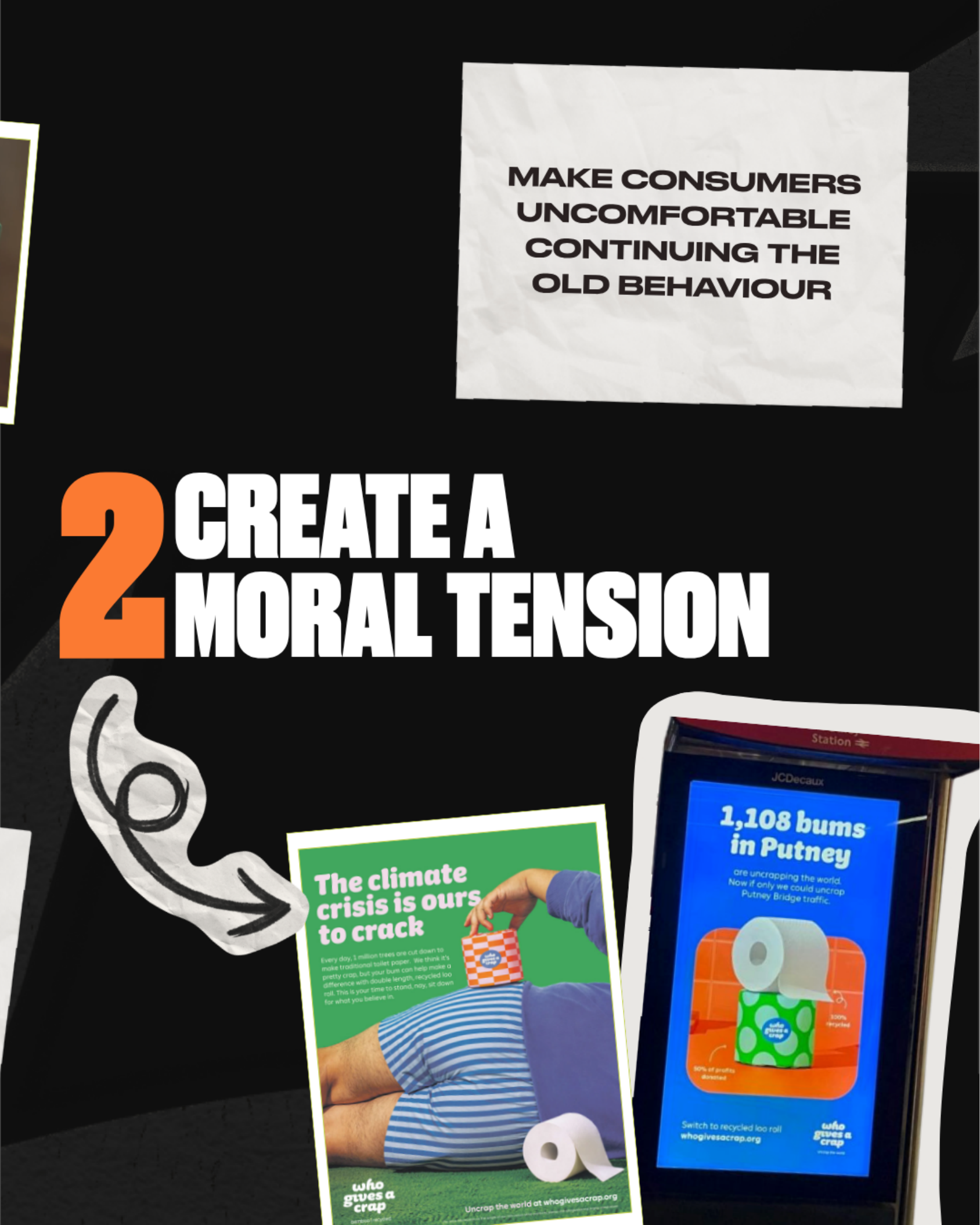
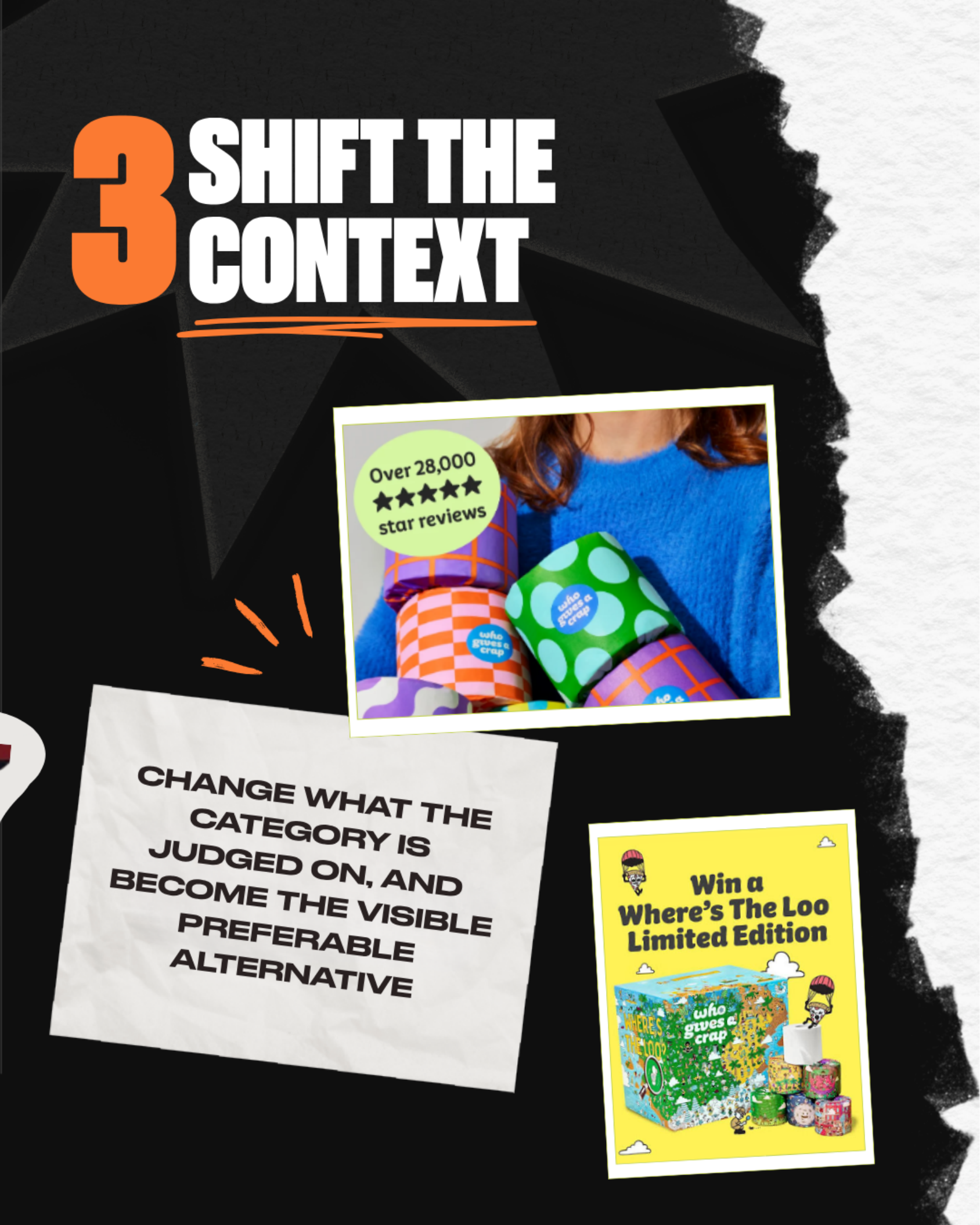
Hack two, Trigger Dissonance, works the other way round - not by making the new behaviour easier, but by making the old one uncomfortable.
The method is to find the cost a category has quietly normalised and make it visible. Tony's Chocolonely has built a business on refusing to let chocolate be bought thoughtlessly. Who Gives A Crap does the same for a product most people have never spent a second considering: why are we cutting down virgin trees for something we use once and flush away?
The caveat the room kept returning to was tone. Dissonance works; lecturing doesn't. Both brands make their audience uneasy about the status quo while being funny, self-aware and specific about the problem - never about the person. Get that balance wrong and the discomfort attaches to the brand rather than the behaviour.
Hack Three: Be famous somewhere rather than invisible everywhere
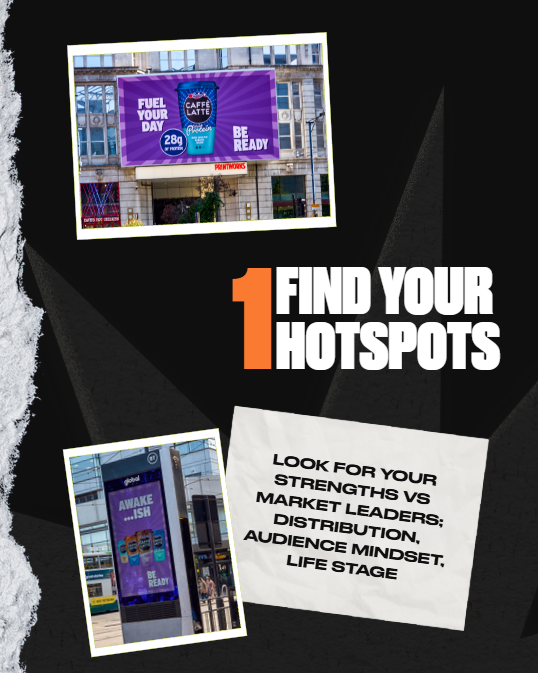
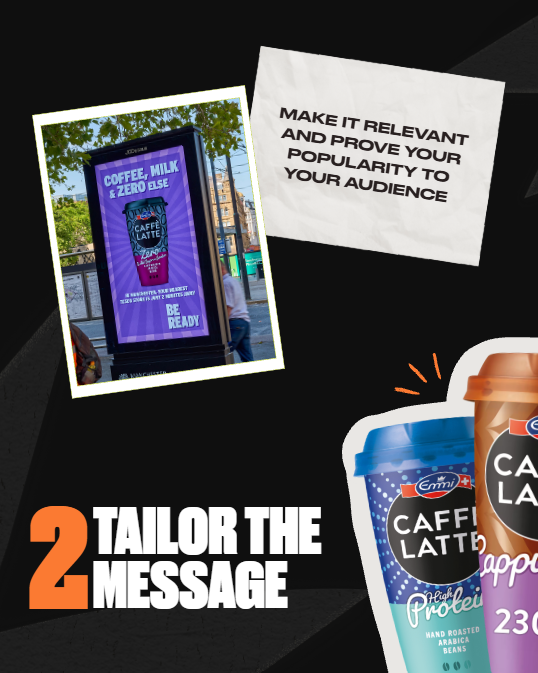
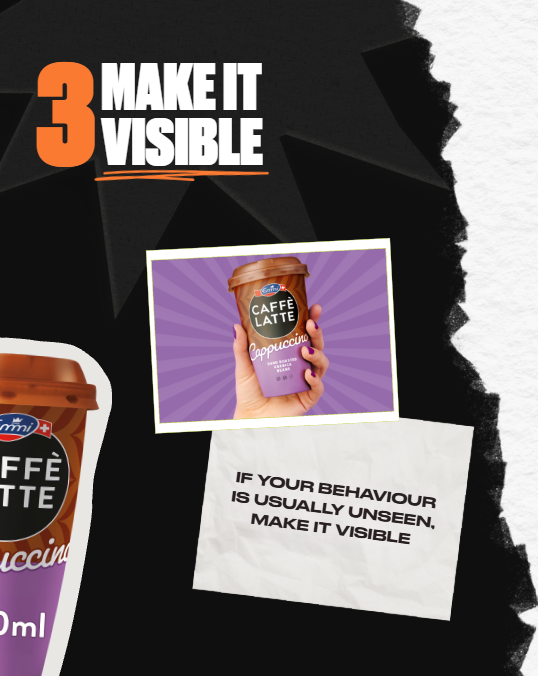
Fabricate Momentum addresses the challenger's hardest constraint: being outspent.
The instinct when budgets are tight is to spread them thinly enough to technically cover everything. The argument here is the opposite. Find the hotspots where you're already stronger than the market leader — by distribution, by audience mindset, by life stage — and dominate those.
Emmi Caffè Latte's out-of-home work is the example: concentrated, highly visible, and tailored to the moment and mindset of the people who see it. The behavioural payoff is that people read ubiquity as popularity. A campaign that owns a handful of streets looks a great deal like a brand everyone is already drinking.
There's a second effect worth noting. A grab-and-go coffee is a private, unremarkable moment. Putting it on the high street turns an invisible habit into a visible one, and visible behaviour spreads.
Hack Four: being liked is not a soft metric
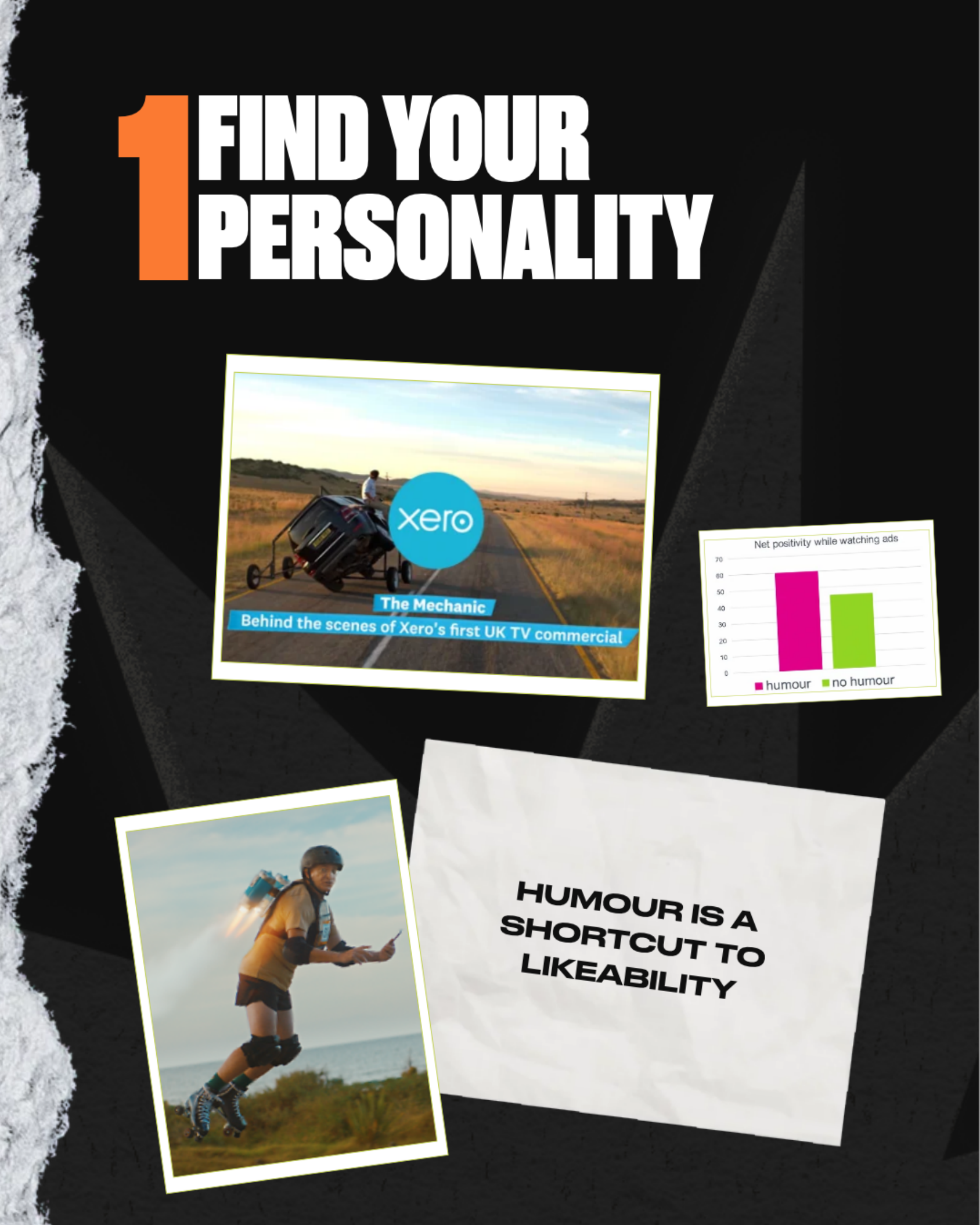
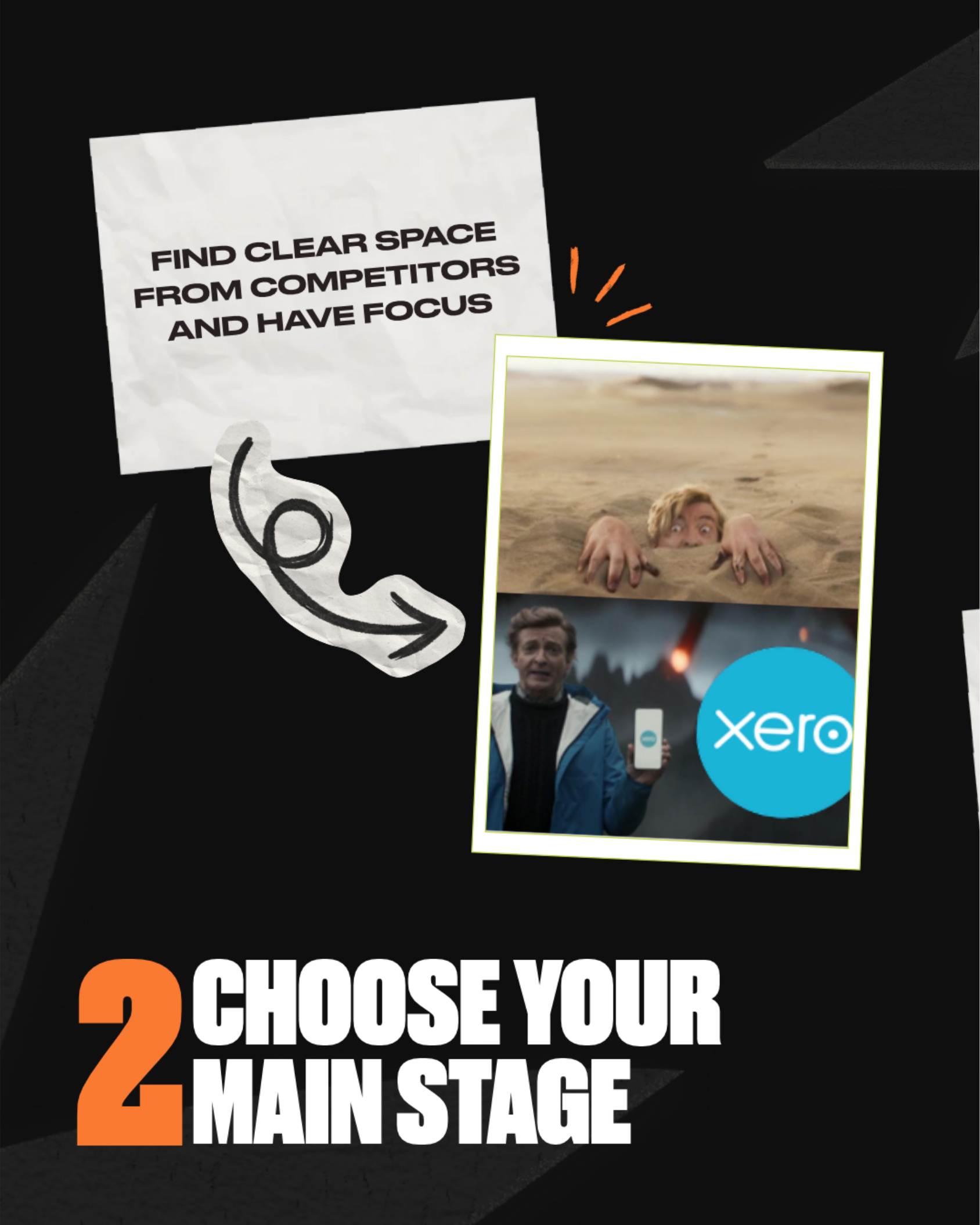
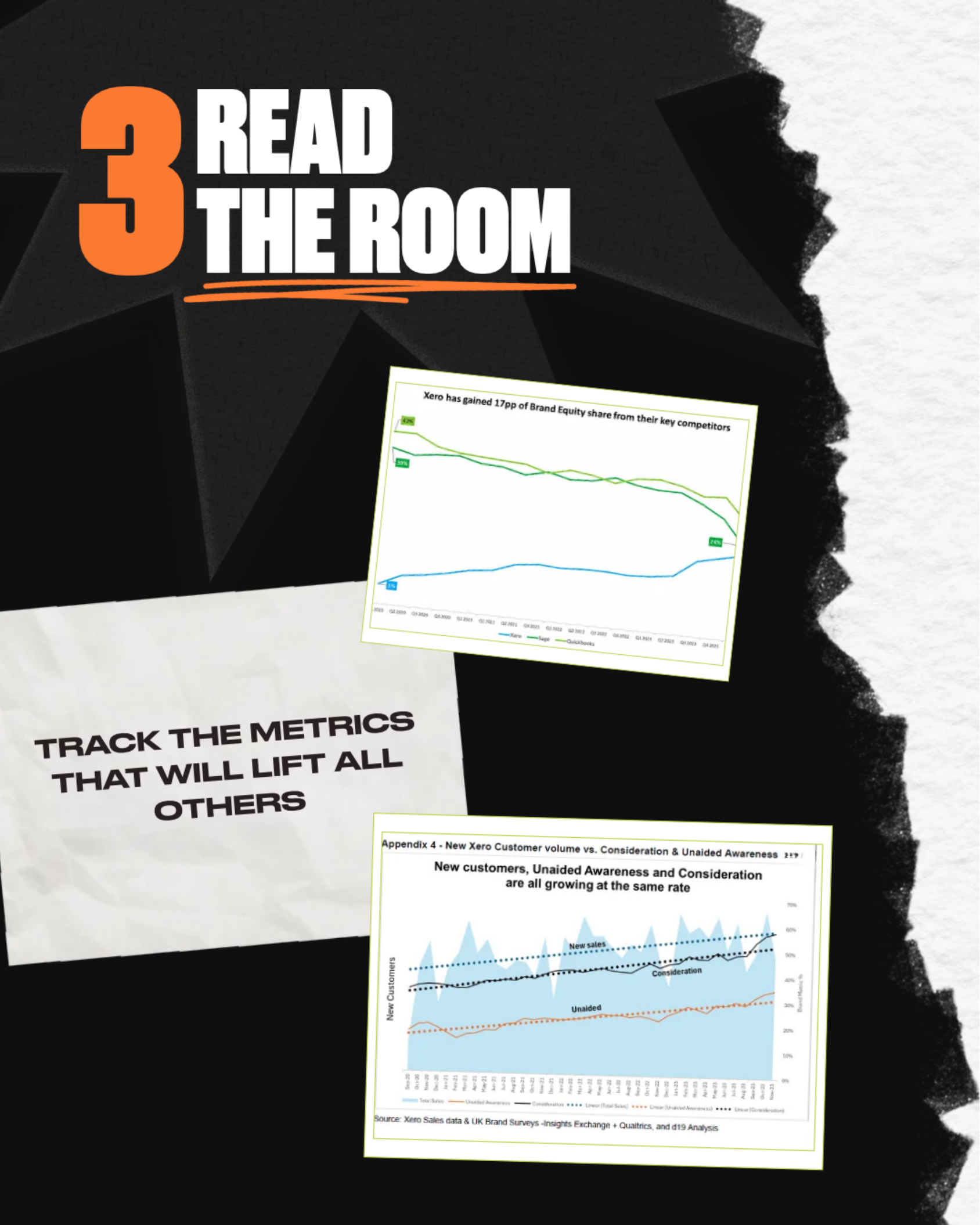
The fourth hack tackled the thing marketers are least comfortable defending in a boardroom. Lead with Likeability argues that being liked is a shortcut to being chosen.
Xero provided the case. Humour is the fastest route to likeability, and likeability buys a challenger something its budget cannot: attention. Audiences feel more positive watching advertising with humour in it than without, and brands we feel warm towards get an easier ride in memory.
But personality on its own isn't a strategy. The second move is choosing a main stage. Xero found clear space away from its competitors and committed to it, rather than spreading across every channel and every message. Pick the stage where you can be the most distinctive version of yourself, and be properly famous there.
The third move is the one that makes the argument survive contact with a finance director. Likeability only matters if it's moving something. Xero tracked the metrics that lift all the others, consideration and unaided awareness, and watched them climb alongside new customer volume. Measure the thing that pulls the rest up with it.
What survives contact with a real budget
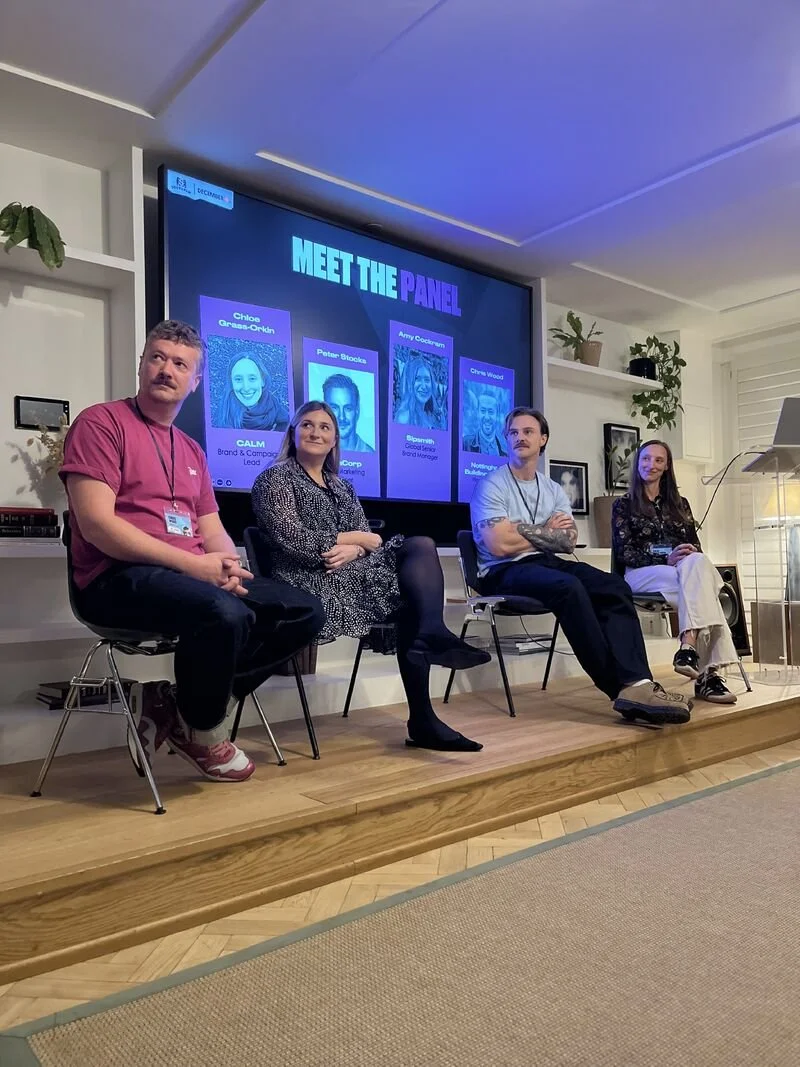
The panel brought the theory up against practice: Chris Wood (Nottingham Building Society), Amy Cockram (Sipsmith Gin), Peter Stocks (Vidacorp) and Chloe Grass-Orkin (Campaign Against Living Miserably).
A building society, a gin brand and a mental health charity on the same stage made the morning's argument better than any slide could. The categories could hardly be further apart, and the problem underneath them was identical: a behaviour that people repeat without thinking, and a brand that needs them to stop.
For Nottingham Building Society, the default isn't really a preference at all. People stay with a savings provider because moving feels like admin, not because they've weighed up the alternatives, which makes the barrier friction rather than persuasion.
For Sipsmith, the constraint is visibility at the moment of choice. A back bar with forty competitors on it, where the brand world and the pack are doing the work that media does in other categories.
And for CALM, behaviour change is the product. The conversion is someone reaching out instead of staying silent, which makes it both the purest version of the morning's argument and the hardest to measure.
What the panel agreed on was less a technique than a sequence: understand the behaviour before you choose the intervention. The hacks are only useful once you know which default you're trying to break.
Closing
The hacks are the easy part. The harder question is which one your brand actually has permission to use — and whether you know what behaviour you're trying to change in the first place.
Want to work that out for your brand? We're running Challenger Hacks as a Lunch & Learn with marketing teams.